
Europe’s four-booster rocket carried 36 Amazon Leo satellites to low Earth orbit on a flight that lasted just over two hours.
Thank you for reading this post, don’t forget to subscribe!
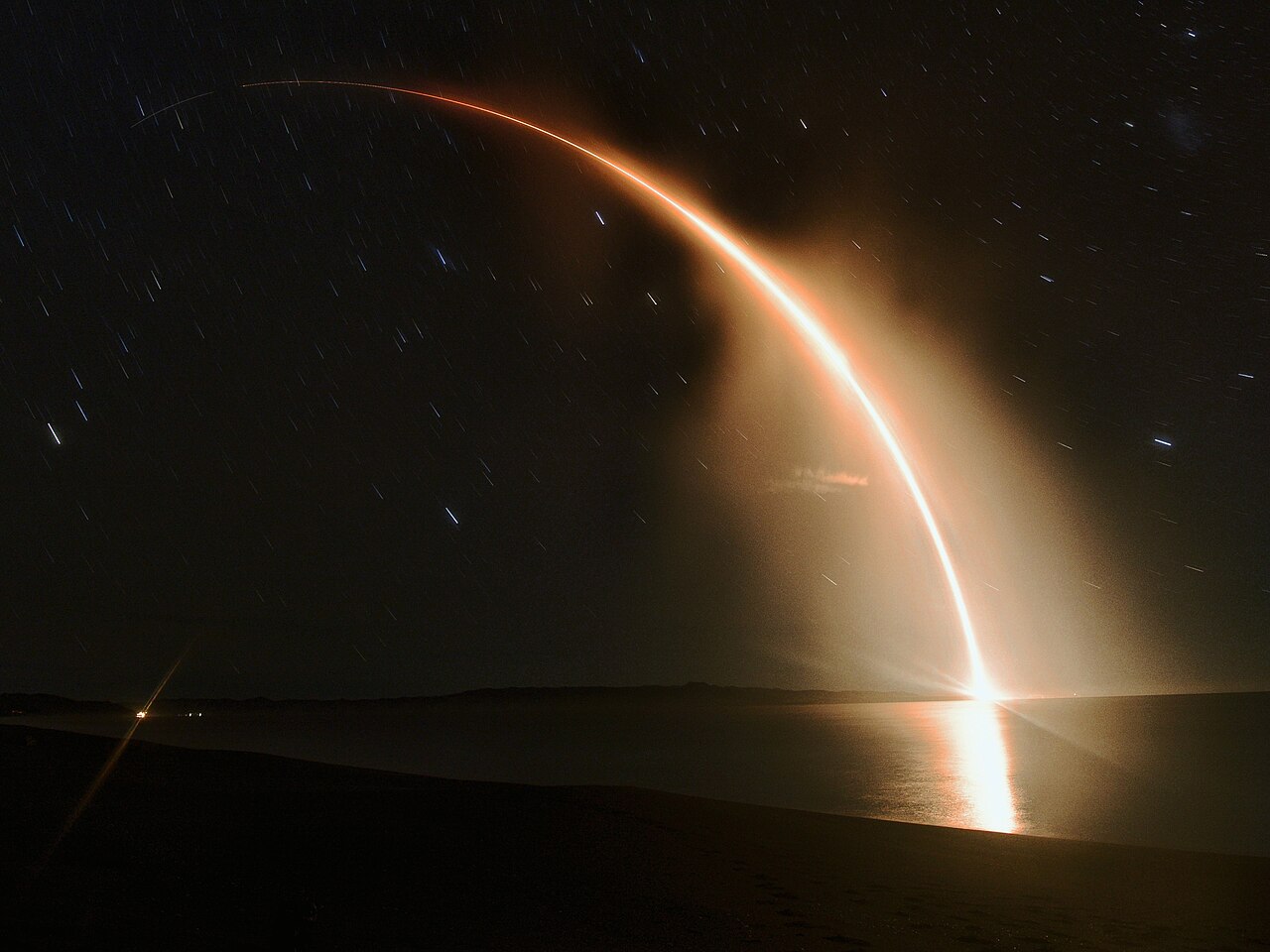
The loudest moment of Ariane 6’s tenth flight came at 8:14 a.m. local time on Nov. 24, when the rocket lifted off from Kourou, French Guiana. The last satellite didn’t separate until two hours and four minutes later. That span tells you what a launch like this asks of a rocket. Getting off the pad is the part you can see from the ground. Putting dozens of spacecraft where they need to go is the work that follows. Arianespace: VA271 Launch Results.
Four Boosters, One Busy Flight
Arianespace said the flight delivered 36 Amazon Leo broadband satellites to roughly 460 kilometers, or 286 miles, above Earth. The mission, designated VA271, flew on Ariane 64, the version of Ariane 6 with four side boosters rather than two. It was the second flight with the enhanced P160C boosters. The heavier configuration gives operators more capacity for jobs like flying a large batch of satellites at once.
The earlier attempt had been postponed a day after an issue with ground-support equipment. On Tuesday, the mission had to do more than reach space: it had to deliver the payload into its intended orbit, then separate the spacecraft. Arianespace reported that it completed the deployment as planned. The deployment figure is not a count of satellites already providing broadband service. Getting a spacecraft through launch and separation is a different milestone from commissioning it for customers.
Why the Tenth Flight Matters
Ariane 6 first flew in July 2024. In its first ten missions, the same launcher family has taken on weather and Earth-observation payloads, navigation satellites, and internet constellation batches. This was Arianespace’s fourth Amazon Leo launch of 2026, bringing its own deployments for the network to 136 satellites for the year, according to the company.
The next announced mission illustrates the contrast. On Nov. 25, Arianespace said it was targeting Dec. 17 to launch Europe’s Metop-SGB1 weather satellite. One flight delivers dozens of nearly like-purpose satellites at once; another takes up a spacecraft built to help observe weather and climate. What’s worth watching now is how consistently the same rocket family can handle different jobs, not just how much fire it can make on the way out of the atmosphere.
Sources
Arianespace: Nov. 23 Ground-Support Update: https://newsroom.arianespace.com/mission-va271le-04-launch-update/
Arianespace: VA271 Launch Results: https://newsroom.arianespace.com/arianespace-successfully-launches-another-36-amazon-leo-satellites-on-ariane-6s-10th-flight/?lang=eng
Arianespace: VA271 Rescheduling Notice: https://www.arianespace.com/news/mission-va271-le-04-ariane-6-launch-rescheduled-for-november-24-2026/
ESA: Ariane 6: https://www.esa.int/missions/about-us/directorates/space-transportation/ariane/ariane-6
Arianespace: Upcoming Metop-SGB1 Mission: https://newsroom.arianespace.com/arianespace-to-launch-europes-metop-sgb1-weather-satellite-aboard-ariane-6-on-17-december-2026/?lang=eng
Image Source and License: https://commons.wikimedia.org/wiki/File:Ariane_6_ESA-CC.jpg

Leave a Reply